The best materials for shade tarps in spring include polyethylene, canvas, mesh, and vinyl due to their balance of UV protection, breathability, and water resistance. Choosing the right material depends on your environment—rain-prone areas need waterproofing, while warmer regions benefit from breathable fabrics that prevent heat buildup.
The best materials for shade tarps in spring weather conditions are polyethylene (for affordability and water resistance), canvas (for breathability and durability), mesh (for airflow and UV filtering), and vinyl (for heavy-duty waterproof protection). Each material serves specific needs depending on temperature fluctuations, rainfall, and sun exposure.
Understanding Spring Weather Challenges for Shade Tarps

Spring weather is unpredictable, characterized by fluctuating temperatures, intermittent rain, and increasing UV exposure. These changing conditions demand tarp materials that can adapt without compromising durability or performance.
Key Environmental Factors to Consider:
-
UV Radiation: Increasing sunlight intensity requires UV-resistant materials.
-
Moisture & Rain: Sudden showers necessitate water-resistant or waterproof tarps.
-
Wind: Lightweight tarps must be reinforced to prevent tearing.
-
Temperature Swings: Materials should resist expansion, contraction, and mildew.
Choosing the right materials for shade tarps in Spring ensures long-term performance, reduced maintenance, and optimal protection.
Top Materials for Shade Tarps in Spring
1. Polyethylene (Poly Tarps)
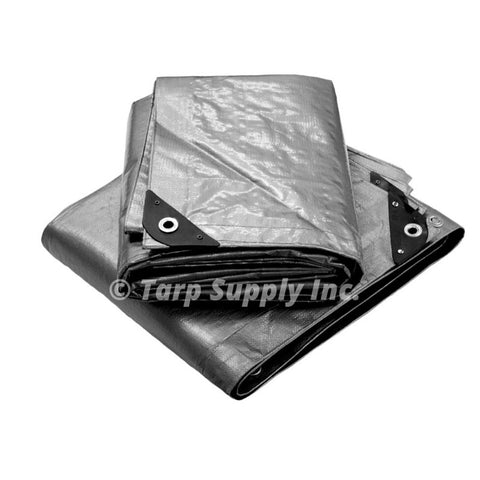
Polyethylene is one of the most widely used tarp materials due to its versatility and cost-effectiveness.
Key Features:
-
Waterproof and UV-resistant coatings
-
Lightweight and easy to handle
-
Resistant to mildew and rot
Best Use Cases:
-
Temporary outdoor shading
-
Backyard patios
-
Construction sites
Pros:
-
Affordable
-
Easy to install
-
Available in multiple thicknesses (measured in mils)
Cons:
-
Less breathable (can trap heat)
-
Shorter lifespan compared to premium materials
Insight: For spring, opt for UV-treated poly tarps with reinforced edges to prevent tearing during gusty winds.
2. Canvas Tarps

Canvas tarps are made from natural cotton fibers and are known for their breathability.
Key Features:
-
Water-resistant (not fully waterproof unless treated)
-
Excellent airflow
-
Eco-friendly material
Best Use Cases:
-
Garden shading
-
Agricultural applications
-
Equipment covers requiring ventilation
Pros:
-
Prevents condensation buildup
-
Durable under moderate conditions
-
Aesthetic appeal for residential use
Cons:
-
Heavier than poly tarps
-
Requires maintenance (e.g., drying to prevent mold)
Insight: Wax-treated canvas enhances water resistance, making it more suitable for unpredictable spring showers.
3. Mesh Tarps (Shade Cloth)

Mesh tarps are specifically designed for shading while allowing airflow.
Key Features:
-
Blocks 50%–95% of sunlight
-
Highly breathable
-
Lightweight and flexible
Best Use Cases:
-
Greenhouses
-
Plant nurseries
-
Outdoor seating areas
Pros:
-
Reduces heat buildup
-
Prevents wind resistance damage
-
Ideal for plant protection
Cons:
-
Not waterproof
-
Limited protection against heavy rain
Insight: Choose a shade percentage based on your needs—70% for general use, 90% for maximum sun blockage.
4. Vinyl Tarps
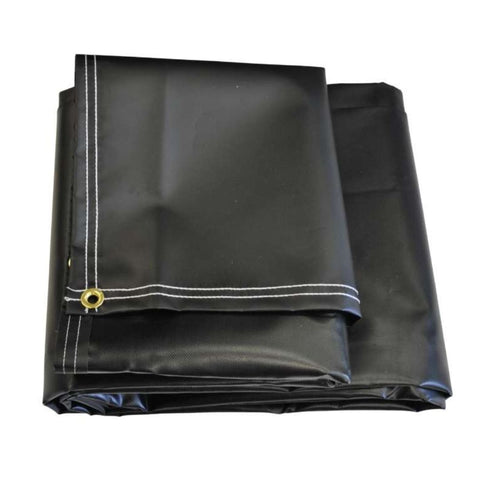
Vinyl tarps are heavy-duty solutions designed for extreme conditions.
Key Features:
-
Fully waterproof
-
High tensile strength
-
UV and chemical resistant
Best Use Cases:
-
Industrial applications
-
Long-term outdoor coverage
-
Areas with heavy rainfall
Pros:
-
Long lifespan
-
Superior durability
-
Resistant to tearing and abrasion
Cons:
-
Higher cost
-
Heavier and less flexible
Vinyl tarps are ideal for regions experiencing frequent spring storms and heavy precipitation.
Comparison Table: Best Materials for Shade Tarps in Spring
|
Material |
Water Resistance |
Breathability |
Durability |
Best For |
|
Polyethylene |
High |
Low |
Moderate |
Budget-friendly outdoor shading |
|
Canvas |
Moderate |
High |
High |
Gardens and breathable covers |
|
Mesh |
Low |
Very High |
Moderate |
Plant protection and airflow |
|
Vinyl |
Very High |
Low |
Very High |
Heavy-duty, long-term use |
How to Choose the Right Material
Selecting the right tarp involves aligning material properties with your specific use case.
Consider These Factors:
1. Intended Application
-
Residential vs. commercial use
-
Temporary vs. permanent installation
2. Climate Conditions
-
Rain-heavy regions → Vinyl or polyethylene
-
Warm, sunny areas → Mesh or canvas
3. Durability Requirements
-
Short-term use → Polyethylene
-
Long-term investment → Vinyl or canvas
4. Maintenance Needs
-
Low maintenance → Polyethylene, vinyl
-
Willing to maintain → Canvas
What Most Buyers Overlook
To maximize performance, consider these lesser-known but critical factors:
UV Stabilization Technology
Not all tarps labeled “UV-resistant” are equal. Look for:
-
UV inhibitors embedded in the material (not just coatings)
-
Certifications indicating prolonged sun exposure resistance
GSM vs. Mil Thickness
-
GSM (grams per square meter): Indicates density (higher = stronger)
-
Mil thickness: Indicates thickness (1 mil = 0.001 inch)
Pro Tip: A tarp with high GSM but moderate mil thickness often provides better durability without excessive weight.
Reinforcement Features
-
Heat-sealed seams
-
Rust-resistant grommets
-
Reinforced corners
These features significantly extend the tarp's lifespan during windy spring conditions.
Installation Tips for Spring Shade Tarps

Proper installation enhances performance regardless of material.
Best Practices:
-
Use bungee cords for flexibility in the wind
-
Angle tarps slightly to allow water runoff
-
Avoid over-tightening to prevent tearing
-
Regularly inspect for wear and tear
Why Choose Tarp Supply Inc.® for Spring Shade Solutions?
When investing in high-quality materials for shade tarps in spring, reliability and performance matter. Tarp Supply Inc.® offers:
-
Premium-grade materials engineered for diverse weather conditions
-
Custom sizing options for residential and commercial needs
-
UV-treated, reinforced tarps designed for durability
-
Expert customer support to guide your purchase decisions
Don’t let unpredictable spring weather damage your outdoor spaces or equipment. Choose the right tarp material tailored to your needs.
Explore Tarp Supply Inc.®’s full range of shade tarps today
Contact their experts for personalized recommendations
Upgrade your outdoor protection with durable, weather-ready tarps
By understanding and selecting the best materials for shade tarps in spring, you can ensure optimal protection, efficiency, and long-term value for any outdoor application.
FAQ Section
1. What is the best material for shade tarps in spring?
Polyethylene, canvas, mesh, and vinyl are the best materials due to their balance of UV protection, durability, and weather resistance.
2. Are mesh tarps good for rainy weather?
No, mesh tarps are not waterproof and are best suited for shading and airflow rather than rain protection.
3. How do I prevent mold on canvas tarps?
Ensure the tarp is completely dry before storage and use mildew-resistant treatments.
4. What thickness is ideal for spring tarps?
A thickness of 10–16 mil is generally ideal for balancing durability and flexibility in spring conditions.
5. Can shade tarps withstand strong winds?
Yes, if properly installed with reinforced edges and flexible tie-downs, most shade tarps can handle moderate spring winds.


