Poly tarps are lightweight, waterproof, and cost-effective, making them ideal for temporary outdoor protection such as construction sites, emergency covers, and transport. Canvas tarps are heavier, breathable, and more durable for long-term use, especially where moisture control and abrasion resistance are required, such as equipment covers, agriculture, and industrial storage.
Poly tarps and canvas tarps serve different performance needs depending on the application. Poly tarps excel in waterproofing, affordability, and portability for short-term outdoor coverage, while canvas tarps provide superior breathability, durability, and long-term protection for equipment, machinery, and moisture-sensitive materials.
Poly Tarps vs Canvas Tarps: Performance Comparison by Application

Selecting the right tarp material can significantly impact protection, durability, and cost efficiency. Poly tarps (polyethylene tarps) and canvas tarps are among the most widely used protective covers across industries such as construction, logistics, agriculture, and transportation.
While both materials provide reliable coverage, their performance characteristics differ significantly depending on the application. Understanding these differences helps businesses and individuals choose the tarp that delivers the best protection and long-term value.
This guide compares poly and canvas tarps across key performance factors—including waterproofing, durability, breathability, cost, and ideal use cases.
Understanding Poly Tarps
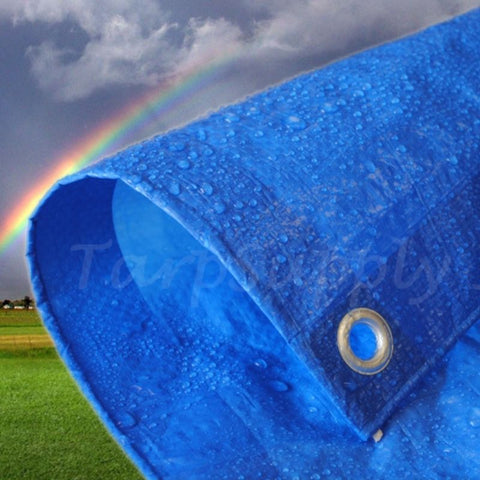
Poly tarps are made from woven polyethylene fibers laminated with plastic coating, creating a lightweight but waterproof material designed for outdoor protection.
Key Characteristics of Poly Tarps
-
100% waterproof
-
Lightweight and easy to transport
-
Resistant to UV exposure (varies by grade)
-
Mold and mildew resistant
-
Budget-friendly
-
Available in multiple thickness grades
Typical Thickness Levels
|
Grade |
Thickness |
Typical Use |
|
Light Duty |
5–6 mil |
Temporary household or camping use |
|
Medium Duty |
8–10 mil |
Construction, landscaping |
|
Heavy Duty |
12–16 mil |
Industrial protection, long-term outdoor use |
Advantages of Poly Tarps
1. Superior Waterproof Protection
Poly tarps provide complete water resistance, making them ideal for rain protection, temporary roofing, and weather barriers.
2. Lightweight and Easy to Handle
Compared to canvas, poly tarps weigh significantly less, making them easier to install, transport, and store.
3. Cost Efficiency
Poly tarps are among the most affordable protective coverings, making them popular for temporary or large-scale coverage.
4. Chemical and Rot Resistance
Polyethylene material naturally resists rot, mildew, and many chemicals, which increases lifespan in harsh environments.
Best Applications for Poly Tarps
Poly tarps perform best in short-term or weather-exposed environments.
Common uses include:
-
Construction site covers
-
Emergency roof tarping
-
Temporary equipment protection
-
Ground covers
-
Truck bed covers
-
Disaster relief shelters
-
Camping or outdoor events
Understanding Canvas Tarps

Canvas tarps are made from heavy-duty cotton or polyester canvas fabric, often treated with water-repellent coatings.
Unlike poly tarps, canvas tarps are breathable, allowing moisture and condensation to escape.
Key Characteristics of Canvas Tarps
-
Breathable material
-
Highly durable
-
Abrasion resistant
-
Heat resistant
-
Water-resistant (not fully waterproof)
-
Longer lifespan in heavy-duty applications
Advantages of Canvas Tarps
1. Breathability Prevents Condensation
Canvas tarps allow air circulation, preventing moisture buildup underneath the tarp.
This is critical when covering:
-
Machinery
-
Vehicles
-
Firewood
-
Agricultural materials
2. Exceptional Durability
Canvas fabric provides strong tear and abrasion resistance, making it suitable for industrial environments.
3. Heat Resistance
Canvas tarps tolerate higher temperatures than polyethylene, which makes them ideal for applications involving welding, machinery, or heat exposure.
4. Reduced Slippage
Canvas has a textured surface, preventing sliding when used on equipment or cargo.
Best Applications for Canvas Tarps
Canvas tarps are ideal for long-term equipment protection and breathable coverage.
Typical uses include:
-
Equipment covers
-
Industrial machinery protection
-
Agricultural storage
-
Lumber covers
-
Firewood protection
-
Truck tarping
-
Construction equipment covers
Poly Tarps vs Canvas Tarps: Performance Comparison
Below is a detailed comparison of both tarp materials across key performance categories.
|
Feature |
Poly Tarps |
Canvas Tarps |
|
Waterproof |
Fully waterproof |
Water-resistant |
|
Breathability |
Non-breathable |
Highly breathable |
|
Weight |
Lightweight |
Heavy |
|
Durability |
Moderate |
High |
|
Cost |
Low |
Higher |
|
UV Resistance |
Moderate to High (depending on grade) |
Moderate |
|
Heat Resistance |
Low |
High |
|
Abrasion Resistance |
Moderate |
Excellent |
|
Lifespan |
Short to medium |
Medium to long |
Performance by Application
Understanding which tarp works best for specific use cases helps maximize protection and investment.
Construction Sites
Best Choice: Poly Tarps
Why:
-
Waterproof barrier
-
Affordable for large coverage
-
Easy installation
Common uses:
-
Roof tarping
-
Material protection
-
Temporary shelters
Equipment and Machinery Storage
Best Choice: Canvas Tarps
Why:
-
Breathable fabric prevents rust
-
Durable against abrasion
-
Long-term storage capability
Agriculture and Farming
Best Choice: Canvas Tarps
Why:
-
Prevents moisture buildup on hay or equipment
-
Durable in field environments
Transportation and Trucking
Best Choice: Depends on cargo
-
Poly tarps → waterproof cargo protection
-
Canvas tarps → breathable protection for lumber or machinery
Emergency and Disaster Response
Best Choice: Poly Tarps
Why:
-
Fast deployment
-
Lightweight
-
Waterproof shelter
Key Buying Considerations
Before selecting a tarp material, consider these performance factors.
1. Exposure to Rain
If full waterproofing is required, poly tarps are the better option.
2. Need for Airflow
If condensation could damage the covered materials, canvas tarps are the preferred solution.
3. Frequency of Use
-
Occasional or temporary → Poly tarps
-
Long-term industrial use → Canvas tarps
4. Budget
Poly tarps are ideal for large-scale coverage on a budget, while canvas tarps provide long-term durability despite higher upfront cost.
Poly vs Canvas: Which Tarp Is Better?
The answer depends entirely on how the tarp will be used.
Choose poly tarps if you need:
-
Waterproof protection
-
Affordable coverage
-
Lightweight material
-
Temporary or emergency use
Choose canvas tarps if you need:
-
Breathability
-
Industrial durability
-
Long-term equipment protection
-
Heat resistance
In many industries, companies use both tarp types for different tasks, ensuring optimal performance across varying conditions.
Why Buy Tarps from Tarp Supply Inc.®
Choosing the right supplier is just as important as selecting the right material.
Tarp Supply Inc.® offers premium-grade poly and canvas tarps designed for professional and industrial use.
Benefits include:
-
Wide selection of tarp sizes and materials
-
Heavy-duty industrial options
-
Fast nationwide shipping
-
Competitive bulk pricing
-
Trusted tarp experts since 2006
Shop High-Quality Tarps Today
Explore durable poly tarps and canvas tarps at Tarp Supply Inc.® and find the perfect solution for your protection needs.
Browse our tarp collection today and get reliable coverage for any project.
FAQ
What is the main difference between poly tarps and canvas tarps?
Poly tarps are waterproof plastic covers, while canvas tarps are breathable fabric covers designed to prevent moisture buildup.
Are canvas tarps better than poly tarps?
Canvas tarps are better for long-term equipment protection and breathable coverage, while poly tarps are better for waterproof and temporary protection.
Do canvas tarps keep rain out?
Canvas tarps are water-resistant but not fully waterproof, meaning they repel light rain but may absorb water during prolonged exposure.
Are poly tarps durable?
Yes, heavy-duty poly tarps are durable and weather-resistant, though they generally have a shorter lifespan than canvas tarps in high-abrasion environments.
Which tarp is best for covering equipment?
Canvas tarps are typically the best choice for equipment covers because their breathable material prevents condensation and rust.


