Privacy screens are essential for warehouses and outdoor storage during spring, offering protection from wind, dust, UV exposure, and prying eyes. They improve security, preserve inventory quality, and enhance operational efficiency. Choosing the right material, density, and installation method ensures long-term durability and cost savings.
Privacy screens for warehouses and outdoor storage in spring provide protection against weather elements, reduce visibility for security, and improve airflow control. They are commonly made from durable, UV-resistant materials and are installed along fences or structures to safeguard inventory while maintaining ventilation and operational efficiency.
Why Privacy Screens Matter for Warehouses in Spring
Spring introduces unpredictable weather patterns—strong winds, sudden rain, increased UV exposure, and airborne debris. For warehouses and outdoor storage areas, these conditions can damage goods, disrupt operations, and expose valuable inventory.
Privacy screens serve multiple critical functions:
-
Security Enhancement: Prevent unauthorized visibility into storage areas
-
Weather Protection: Shield against wind, dust, and light rain
-
Inventory Preservation: Reduce UV damage to sensitive materials
-
Operational Efficiency: Minimize cleanup and maintenance needs
Microclimate Control
A key advantage often overlooked is microclimate stabilization. Privacy screens help regulate airflow, reducing wind tunnels that can destabilize stacked materials or lightweight inventory.
Key Applications of Privacy Screens in Warehousing

1. Perimeter Fence Coverage
Installing privacy screens along fencing creates a secure boundary that:
-
Blocks external visibility
-
Reduces theft risks
-
Enhances overall site aesthetics
2. Outdoor Storage Protection
For open-air storage yards, screens help:
-
Prevent dust accumulation
-
Protect equipment and materials from UV degradation
-
Reduce wind displacement of lightweight items
3. Loading Dock Shielding
Screens around loading zones:
-
Improve worker comfort by reducing wind exposure
-
Prevent debris from entering loading areas
-
Maintain operational continuity during variable spring weather
4. Temporary Partitioning
Privacy screens can be used to create:
-
Segmented storage zones
-
Controlled access areas
-
Flexible layouts for seasonal inventory changes
Types of Privacy Screens for Warehouses
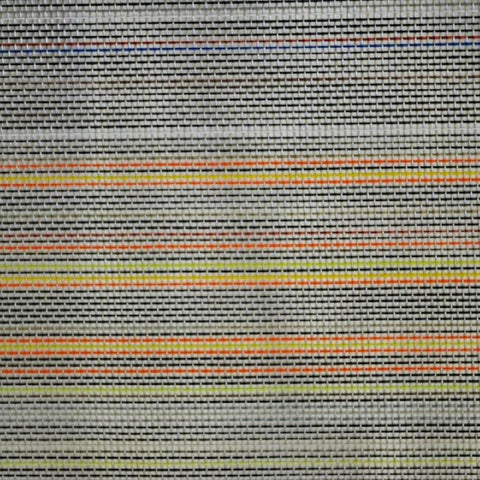
Mesh Privacy Screens
-
Allow airflow while blocking visibility
-
Ideal for windy environments
-
Common densities: 50%–90% shade
Solid Vinyl Screens

-
Provide maximum privacy and weather protection
-
Best for high-security areas
-
Less airflow compared to mesh
Shade Cloth Screens
![50' x 50' [Cut Size] 86% Super Shade Mesh Tarp](https://cdn.shopify.com/s/files/1/0641/8350/1044/products/86-mesh-colors_2b503574-c75a-48a7-8a1e-91210332e136_480x480.jpg?v=1660847349)
-
Designed for UV protection
-
Suitable for temperature-sensitive goods
Pro Tip:
Choose 70–80% density mesh screens for the best balance between airflow and privacy in spring conditions.
Key Features to Look For
Durability and Material Quality
-
High-density polyethylene (HDPE) for a long lifespan
-
Reinforced edges to prevent tearing
UV Resistance
-
Prevents screen degradation
-
Protects stored goods from sun damage
Wind Load Performance
-
Mesh design reduces wind resistance
-
Prevents structural strain on fences
Easy Installation
-
Grommets or eyelets for quick setup
-
Compatible with zip ties or bungee cords
Comparison Table: Choosing the Right Privacy Screen
|
Feature |
Mesh Screen |
Vinyl Screen |
Shade Cloth |
|---|---|---|---|
|
Airflow |
High |
Low |
Medium |
|
Privacy Level |
Medium–High |
Very High |
Medium |
|
UV Protection |
Medium |
High |
Very High |
|
Wind Resistance |
Excellent |
Moderate |
Good |
|
Best Use Case |
Fencing, windy areas |
High-security zones |
Heat-sensitive goods |
Installation Best Practices for Spring
Step-by-Step Guidelines
-
Measure fence or structure accurately
-
Use reinforced attachment points
-
Install with slight tension to prevent sagging
-
Allow for expansion during temperature changes
Seasonal Tip:
Spring winds can be unpredictable—install screens with flexible fasteners like bungee cords to absorb stress and prevent tearing.
Benefits That Go Beyond Protection
Cost Efficiency
-
Reduces maintenance and cleaning costs
-
Extends the lifespan of stored goods
Improved Workplace Safety
-
Minimizes debris hazards
-
Enhances visibility control within zones
Brand Image Enhancement
-
Creates a clean, organized appearance
-
Can be customized with branding or colors
Common Mistakes to Avoid
-
Choosing overly dense screens in high-wind areas
-
Ignoring UV resistance ratings
-
Improper installation leading to sagging or tearing
-
Using low-quality materials that degrade quickly
Why Spring Is the Best Time to Install Privacy Screens
Spring is ideal for upgrading warehouse protection because:
-
Weather conditions reveal vulnerabilities
-
Prepares facilities for peak summer heat
-
Supports seasonal inventory expansion
Installing early in spring ensures your operations remain uninterrupted during peak logistics periods.
Protect your warehouse and outdoor storage with premium-grade privacy screens from Tarp Supply Inc.®
-
Engineered for durability and UV resistance
-
Designed for easy installation and long-term use
-
Available in multiple densities and sizes
Shop now and secure your inventory before peak season hits.
FAQ Section
What are warehouse privacy screens used for?
Warehouse privacy screens are used to protect inventory, enhance security, and reduce exposure to weather and debris.
What density privacy screen is best for outdoor storage?
A 70–80% density screen offers the best balance between airflow and privacy for most outdoor storage needs.
Are privacy screens weather-resistant?
Yes, high-quality privacy screens are UV-resistant and designed to withstand wind, rain, and sun exposure.
Can privacy screens reduce wind damage?
Yes, mesh privacy screens reduce wind force by allowing airflow, minimizing structural stress and material displacement.
How long do privacy screens last?
With proper installation and quality materials, privacy screens can last 3–7 years or longer.


