Industrial tarps provide a cost-effective and scalable solution for controlling summer dust in construction sites, warehouses, agriculture, transportation, and outdoor storage areas. Heavy-duty dust control tarps help reduce airborne particles, protect equipment, improve worker safety, maintain regulatory compliance, and minimize cleanup costs during dry summer conditions.
Summer dust control solutions using industrial tarps involve covering exposed materials, equipment, work zones, and storage areas with durable polyethylene, vinyl, mesh, or canvas tarps to reduce airborne dust. Properly installed industrial tarps improve air quality, protect assets, lower maintenance expenses, and help businesses comply with environmental and workplace safety regulations during dry, windy summer months.
Why Dust Control Becomes Critical During Summer
Summer heat, low humidity, and increased wind activity create ideal conditions for airborne dust. Construction sites, industrial facilities, farms, warehouses, trucking yards, and manufacturing plants often experience elevated dust levels during warmer months.
Excessive dust creates several operational problems:
- Reduced worker visibility
- Respiratory hazards
- Equipment contamination
- Faster machinery wear
- Product contamination
- Environmental compliance violations
- Increased cleaning and maintenance costs
Industrial tarps act as a physical barrier that prevents loose particles from becoming airborne while also protecting materials from direct exposure to wind and heat.
What Are Industrial Dust Control Tarps?
Industrial dust control tarps are heavy-duty protective covers designed to contain dust, debris, and fine particulate matter in industrial and commercial environments.
These tarps are commonly manufactured from:
|
Material Type |
Best Use Case |
Key Benefits |
|
Poly Tarps |
Construction and temporary coverage |
Waterproof, affordable, lightweight |
|
Vinyl Tarps |
Heavy industrial environments |
High durability and abrasion resistance |
|
Mesh Tarps |
Wind-sensitive dust control |
Airflow while reducing dust spread |
|
Canvas Tarps |
Indoor and breathable applications |
Condensation reduction |
|
Fire Retardant Tarps |
Industrial safety zones |
OSHA and fire-code compliance |
Choosing the correct tarp material significantly affects long-term dust containment performance.
Key Industries That Benefit From Summer Dust Control Tarps

Construction Sites
Construction projects generate large amounts of dust from:
-
Demolition
-
Concrete cutting
-
Excavation
-
Sand and gravel storage
-
Drywall installation
Industrial tarps help isolate work zones and cover exposed materials to prevent wind-driven dust migration.
Common Applications
-
Temporary site barriers
-
Debris containment walls
-
Equipment protection covers
-
Dump truck covers
-
Scaffold enclosures
Agriculture and Farming
Summer drought conditions increase dust around:
-
Feed storage
-
Grain handling
-
Livestock operations
-
Soil preparation
-
Hay storage
Dust control tarps protect agricultural products while reducing airborne contaminants that may affect livestock health and crop quality.
Recommended Tarp Solutions
-
Mesh shade tarps for ventilation
-
Waterproof poly covers for feed storage
-
Canvas tarps for breathable protection
Warehousing and Logistics
Dust accumulation in warehouses affects:
-
Inventory quality
-
Packaging cleanliness
-
HVAC efficiency
-
Electronic equipment reliability
Industrial divider curtains and containment tarps create cleaner operational zones while reducing contamination risks.
Transportation and Trucking
Loose aggregate materials transported during the summer often generate excessive roadway dust.
Truck tarp systems help contain:
-
Sand
-
Gravel
-
Soil
-
Demolition debris
-
Agricultural materials
This improves transportation safety while helping companies comply with state cargo containment laws.
Types of Industrial Tarps for Dust Control
Mesh Tarps for Airflow Management

Mesh tarps are highly effective for dust suppression because they reduce wind velocity while still allowing airflow.
Advantages
-
Lower wind stress
-
Reduced heat buildup
-
Better visibility
-
Ideal for fencing and perimeter barriers
Best Applications
-
Construction fencing
-
Agricultural windbreaks
-
Outdoor material containment
Vinyl Tarps for Heavy-Duty Environments

Vinyl tarps provide superior durability in demanding industrial conditions.
Features
-
Tear resistant
-
UV resistant
-
Waterproof
-
Chemical resistant
These tarps are ideal for long-term summer dust management projects.
Poly Tarps for Temporary Coverage
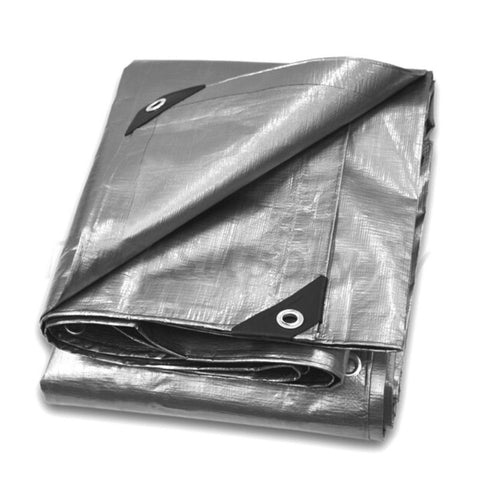
Polyethylene tarps are cost-effective and easy to deploy.
Ideal Uses
-
Temporary stockpile covers
-
Emergency dust containment
-
Seasonal outdoor storage
Businesses often use heavy-duty poly tarps for short-term summer projects where fast installation matters.
How Industrial Tarps Improve Dust Control Efficiency

Wind Reduction
Dust becomes airborne primarily through wind exposure. Strategically installed tarps create windbreaks that reduce particle movement.
Example
Perimeter mesh tarps around construction sites can significantly reduce off-site dust migration compared to uncovered operations.
Moisture Retention
Covered soil and materials retain moisture longer, reducing dust generation.
This is particularly useful for:
-
Gravel piles
-
Sand storage
-
Soil stockpiles
-
Landscaping materials
Equipment Protection
Dust infiltration accelerates equipment wear.
Industrial tarps help protect:
-
Hydraulic systems
-
Engines
-
Conveyor systems
-
Electrical components
-
HVAC units
Reducing dust exposure extends equipment lifespan and lowers maintenance costs.
Best Practices for Summer Dust Control Using Tarps

Choose UV-Resistant Materials
Summer sun exposure rapidly degrades low-quality tarps.
Look for:
-
UV-treated coatings
-
Reinforced hems
-
Heat-sealed seams
-
Rust-resistant grommets
Heavy-duty UV-resistant tarps provide longer service life and better ROI.
Secure Tarps Properly
Loose tarps may flap excessively and lose effectiveness.
Recommended securing methods include:
-
Ball bungees
-
Ratchet straps
-
Rope tie-downs
-
Sandbags
-
Cable systems
Proper tension improves both safety and containment performance.
Combine Tarps With Additional Dust Control Methods
Industrial tarps work best when combined with:
-
Water spray systems
-
Gravel stabilization
-
Dust suppressants
-
Vacuum systems
-
Industrial curtains
This layered approach creates more effective site-wide dust management.
Common Mistakes Businesses Make
Using Lightweight Consumer Tarps
Thin consumer-grade tarps deteriorate quickly under industrial summer conditions.
Industrial-grade tarps offer:
-
Higher GSM ratings
-
Better UV resistance
-
Stronger reinforcement
-
Longer lifespan
Ignoring Ventilation Needs
Completely sealed dust barriers may trap heat and moisture.
Mesh tarps often provide a better balance between containment and airflow.
Poor Installation Planning
Improper tarp placement leaves gaps where dust escapes.
Conducting a site airflow assessment before installation improves effectiveness.
Industrial Tarp Features to Prioritize
When selecting summer dust control tarps, prioritize:
-
UV resistance
-
Tear strength
-
Waterproofing
-
Flame retardancy
-
Reinforced edges
-
Mold resistance
-
High tensile strength
-
Custom sizing availability
Custom industrial tarps often provide better containment compared to generic off-the-shelf covers.
Comparing Dust Control Tarp Materials
|
Feature |
Poly Tarps |
Vinyl Tarps |
Mesh Tarps |
Canvas Tarps |
|
UV Resistance |
Moderate |
Excellent |
Excellent |
Moderate |
|
Breathability |
Low |
Low |
High |
High |
|
Waterproof |
Yes |
Yes |
No |
Limited |
|
Durability |
Moderate |
High |
High |
Moderate |
|
Best For |
Temporary Use |
Industrial Sites |
Wind Control |
Indoor Use |
|
Cost |
Low |
Higher |
Moderate |
Moderate |
Environmental and Safety Benefits
Proper dust control supports both operational efficiency and environmental responsibility.
Benefits Include
-
Improved worker respiratory safety
-
Reduced airborne particulate pollution
-
Better OSHA compliance
-
Lower cleanup costs
-
Enhanced community relations
-
Reduced environmental contamination
Many municipalities and regulatory agencies now require proactive dust mitigation strategies for construction and industrial sites.
Why Businesses Choose Tarp Supply Inc.® for Dust Control Solutions
Tarp Supply Inc.® offers industrial-grade tarp solutions engineered for demanding commercial applications.
Key Advantages
-
Heavy-duty industrial tarp inventory
-
Custom tarp manufacturing options
-
UV-resistant materials
-
Mesh, vinyl, canvas, and poly tarp selections
-
Fast nationwide shipping
-
Commercial bulk ordering support
Whether managing a construction project, agricultural facility, warehouse, or transportation fleet, businesses can find scalable dust control solutions designed for long-term summer performance.
Final Thoughts
Summer dust control is no longer optional for industrial operations. Rising temperatures, dry conditions, and increased regulatory expectations make proactive dust management essential.
Industrial tarps provide a flexible, cost-effective solution for reducing airborne dust, protecting equipment, improving worker safety, and maintaining operational efficiency. By selecting the right tarp material and installation strategy, businesses can significantly reduce summer dust-related challenges while extending the lifespan of valuable assets.
For businesses seeking reliable dust containment systems, industrial-grade tarps remain one of the most practical and scalable solutions available.
Frequently Asked Questions (FAQ)
What is the best tarp for dust control?
Mesh tarps are often best for dust control because they reduce wind speed while allowing airflow, minimizing airborne particle spread.
Are industrial tarps effective for construction dust?
Yes, industrial tarps help contain construction dust by covering materials, creating barriers, and reducing wind-driven dust movement.
How long do UV-resistant industrial tarps last?
High-quality UV-resistant industrial tarps can last several years depending on exposure conditions, material quality, and maintenance practices.
Can tarps help with OSHA dust compliance?
Industrial tarps can support OSHA compliance efforts by reducing airborne particulates and improving workplace safety conditions.
What tarp material is best for long-term outdoor dust control?
Vinyl tarps are typically best for long-term outdoor industrial dust control due to their durability, UV resistance, and tear strength.


