Holiday construction delays can leave valuable building materials exposed to unpredictable winter weather, including rain, snow, freezing temperatures, high winds, and moisture. As construction projects slow down during Thanksgiving, Christmas, and New Year holidays, protecting lumber, plywood, drywall, insulation, roofing supplies, and construction equipment becomes essential to preventing unnecessary damage and costly project setbacks.
At Tarp Supply Inc.®, we understand that proper construction material storage and weather protection are critical to keeping projects on schedule. Whether a jobsite is temporarily closed for several days or operations are suspended for several weeks, taking preventive measures can help preserve materials, reduce replacement costs, and ensure construction can resume efficiently.
Using heavy-duty poly tarps, waterproof vinyl tarps, and reinforced protective coverings provides an effective solution for protecting outdoor building materials during holiday construction shutdowns.
In this guide, we explain how to secure construction supplies, choose the appropriate tarp materials, and prepare job sites for extended periods of inactivity.
Essential Tips for Protecting Building Materials During Holiday Construction Delays

-
Cover exposed materials: Use waterproof heavy-duty tarps to protect lumber, plywood, roofing materials, and outdoor equipment from rain, snow, and debris.
-
Keep materials elevated: Store building supplies on pallets, racks, or raised platforms to prevent ground moisture absorption.
-
Choose appropriate tarp thickness: Consider 10 mil, 12 mil, or 16 mil poly tarps depending on exposure conditions, material size, and protection requirements.
-
Secure tarp coverings: Use ropes, straps, or ball bungees with reinforced grommets to minimize wind-related movement.
-
Allow proper ventilation: Reduce condensation by maintaining airflow where moisture-sensitive materials are stored.
-
Inspect before holiday shutdowns: Check tarp positioning, drainage, tie-downs, and existing material conditions.
-
Plan for winter weather: Prepare for snow accumulation, freezing temperatures, changing wind conditions, and extended construction delays.
Why Building Materials Need Extra Protection During Holiday Construction Shutdowns
Construction projects frequently experience temporary interruptions during the holiday season. Reduced staffing, supplier closures, scheduled vacations, and severe winter weather can leave jobsites unattended.
Without adequate protection, outdoor construction materials can deteriorate before workers return.
1. Rain and Snow Can Damage Building Supplies
Moisture exposure is one of the most common causes of material damage at construction sites.
Wood products, drywall, insulation, and certain packaged building materials are particularly vulnerable to prolonged exposure.
Rainwater and melting snow can cause:
-
Swelling and warping of wood products
-
Delamination of plywood and engineered wood panels
-
Mold growth on damp surfaces
-
Deterioration of paper-faced drywall
-
Reduced effectiveness of moisture-sensitive insulation
-
Damage to packaging and stored construction supplies
Waterproof construction tarps help reduce direct exposure to precipitation and provide a practical protective barrier during temporary shutdowns.
However, tarps must be installed correctly to prevent moisture from becoming trapped underneath.
2. Freezing Temperatures Create Additional Risks
During winter, moisture that enters exposed building materials may freeze and thaw repeatedly.
These temperature changes can worsen existing cracks, affect certain materials, and cause deterioration when combined with prolonged moisture exposure.
Building materials should therefore be stored according to manufacturer requirements and protected before freezing conditions develop.
3. Strong Winter Winds Can Displace Unsecured Materials
Winter storms can produce strong gusts capable of lifting loosely installed tarps.
When a tarp moves repeatedly, it may expose materials to precipitation or rub against surfaces, causing damage to both the covering and the stored products.
Selecting reinforced tarps with durable grommets and using suitable tie-down accessories can help maintain secure coverage during windy conditions.
4. Extended Shutdowns Increase Exposure Time
A brief construction delay may turn into several weeks of inactivity because of unexpected weather, transportation interruptions, or labor availability.
A protective covering designed for only a few days may not provide adequate performance during an extended winter shutdown.
For this reason, we recommend planning construction material protection around the anticipated storage duration and local weather conditions.
How to Protect Lumber and Wood Products During Holiday Construction Delays

Lumber, plywood, oriented strand board (OSB), and engineered wood products require careful storage because prolonged moisture exposure can lead to dimensional changes, surface damage, and structural concerns.
Store Lumber Above Ground Level
We recommend placing lumber stacks on pallets, treated support blocks, or raised storage racks.
Elevating wood products helps prevent direct contact with wet soil, standing water, melting snow, and ground moisture.
Arrange supports evenly to minimize bending and maintain stability.
For longer boards and sheet materials, adequate support is especially important for preventing sagging.
Use Waterproof Poly Tarps for Overhead Protection
Cover lumber with heavy-duty polyethylene tarps designed for outdoor weather protection.
The covering should extend beyond the exposed top surfaces to redirect water away from the material.
Avoid wrapping damp lumber tightly in an airtight enclosure. Wood that already contains excess moisture needs an opportunity to dry.
A properly designed covering should balance weather resistance with ventilation.
Prevent Water from Pooling on the Tarp
Tarps installed over flat stacks may collect rainwater and melting snow.
Standing water adds unnecessary weight and can increase the risk of leakage through damaged areas or stressed seams.
Create a sloped covering using appropriate supports so water drains away from stored materials.
Ensure the drainage path does not direct water toward building foundations, electrical equipment, or walkways.
Secure the Tarp Without Damaging the Wood
Use tie-down points outside the lumber stack whenever possible.
Secure the tarp using suitable ropes, straps, or ball bungees. Avoid excessive tension on individual grommets and sharp contact points.
Check that tarp edges cannot flap against exposed material.
How to Protect Plywood, OSB, and Engineered Wood Panels

Plywood and OSB are widely used in residential and commercial construction, but extended moisture exposure can lead to swelling, edge deterioration, and other damage.
Even panels rated for exterior exposure are not necessarily intended to remain uncovered indefinitely.
Keep Sheet Materials Flat and Supported
Store plywood and OSB on level supports that keep panels off wet ground.
When practical, store sheets horizontally with evenly spaced supports beneath them.
Maintain separation between the stack and nearby sources of standing water.
Cover the Entire Stack with a Reinforced Tarp
Use a tarp large enough to cover the upper surfaces and protect vulnerable edges from precipitation.
Heavy-duty poly tarps with reinforced hems and grommets are practical for this purpose.
Position the covering to shed water without trapping moisture against the panels.
If materials arrive wet, follow manufacturer recommendations for drying and inspection before enclosing them.
Inspect Panel Edges Before Construction Resumes
After the shutdown, check for swollen edges, separation, distortion, staining, or other visible deterioration.
Materials showing signs of significant moisture damage should be evaluated before installation.
How to Protect Drywall, Insulation, and Other Moisture-Sensitive Materials
Drywall and insulation require greater care than many outdoor building materials.
Unlike some wood products or metal construction supplies, certain drywall and insulation products can become unusable after prolonged moisture exposure.
Move Drywall to Covered, Dry Storage
We recommend storing drywall inside a dry, enclosed building whenever possible.
Drywall should be supported according to the manufacturer's storage instructions and protected from direct contact with damp floors.
A tarp alone should not be considered adequate protection for drywall stored outdoors through prolonged winter weather.
If indoor storage is unavailable, use an appropriately designed temporary weatherproof enclosure that protects against wind-driven precipitation while controlling humidity and condensation.
Protect Insulation from Moisture Intrusion
Some insulation materials can lose thermal performance or become unsuitable for installation when wet.
Keep insulation in its original packaging until needed, provided the packaging remains intact and is appropriate for the storage conditions.
Store materials above ground and under a weather-resistant roof or enclosure.
A heavy-duty tarp may provide supplemental protection, but it should not replace manufacturer-required dry storage.
Prevent Condensation Under Protective Covers
Moisture can develop underneath protective coverings when temperature differences cause humid air to condense on cooler surfaces.
To reduce this risk:
-
Avoid enclosing materials that are already wet.
-
Maintain appropriate airflow where practical.
-
Keep tarps from resting directly against moisture-sensitive materials.
-
Use elevated supports and drainage paths.
-
Inspect enclosed materials after major temperature changes or storms.
Proper ventilation is especially important during extended winter storage.
Protecting Roofing Materials, Cement, and Construction Supplies
Different construction materials require different protective measures.
Roofing Shingles and Underlayment
Roofing shingles, underlayment rolls, and related materials should be stored according to manufacturer recommendations.
Some products require protection from extreme temperatures, direct sunlight, moisture, or deformation.
We recommend keeping roofing supplies on pallets in a protected storage area and using waterproof tarps as additional weather protection where appropriate.
Cement, Mortar, and Bagged Materials
Bagged cement, mortar, and other moisture-reactive materials can become unusable when exposed to humidity or precipitation.
These products should remain in dry, enclosed storage.
Using a tarp over materials stored outdoors may not sufficiently prevent moisture absorption, particularly during extended shutdowns.
Metal Pipes, Fasteners, and Hardware
Metal construction supplies can develop surface corrosion when exposed to moisture.
Store hardware and fasteners in suitable containers or enclosed storage areas.
Large metal components may be covered with waterproof tarps, provided condensation and drainage are managed properly.
Use protective padding wherever sharp edges could damage the tarp.
Choosing the Best Tarps for Outdoor Construction Material Protection
Selecting the right tarp depends on the type of material being covered, exposure conditions, expected storage duration, and the strength required.
At Tarp Supply Inc.®, we offer tarp options suitable for a wide variety of construction and outdoor storage applications.
10 Mil Poly Tarps: Reliable Protection for Everyday Construction Storage

10 mil polyethylene tarps offer a balance of durability, flexibility, and manageable weight.
They are useful for general construction applications where reliable protection is needed without excessive bulk.
Recommended applications include:
-
Covering lumber and plywood stacks
-
Protecting outdoor furniture and fixtures
-
Covering construction equipment
-
Shielding building supplies from rain and debris
-
Temporary jobsite storage
These tarps are a practical option for everyday weather protection when properly installed and secured.
12 Mil Poly Tarps: Extra Protection for Extended Storage
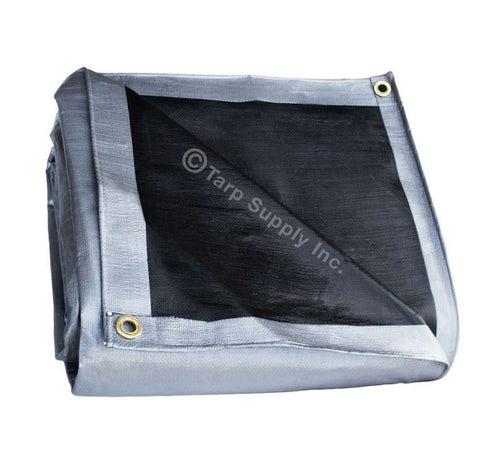
When construction delays extend over longer periods, thicker tarp materials can provide additional durability.
12 mil poly tarps are suitable for more demanding applications involving frequent handling or exposure to challenging outdoor conditions.
Recommended applications include:
-
Extended outdoor material storage
-
Larger plywood and lumber stacks
-
Agricultural and construction equipment
-
Seasonal building supply protection
-
Covered storage areas exposed to wind and precipitation
Actual tarp performance also depends on material construction, reinforcement, UV treatment, and secure installation—not thickness alone.
16 Mil Poly Tarps: Super-Duty Protection for Challenging Jobsites

For demanding construction environments, 16 mil heavy-duty poly tarps provide a thicker protective covering.
Tarp Supply Inc.® offers 16 mil blue poly tarps featuring reinforced construction designed for tough outdoor applications.
Recommended applications include:
-
Heavy construction equipment protection
-
Large outdoor supply stacks
-
Longer-term seasonal storage
-
Industrial material coverage
-
Exposed jobsites requiring durable coverings
Reinforced corners, rope-reinforced hems, and appropriately spaced grommets support secure installation.
Vinyl Tarps: Durable Protection for Demanding Outdoor Conditions
Heavy-duty vinyl tarps are another option for construction and industrial applications.
PVC-coated fabrics can offer excellent resistance to water and abrasion, making them useful for reusable covers and more demanding storage environments.
Vinyl tarps may be appropriate for covering machinery, industrial supplies, and construction materials that require substantial weather-resistant protection.
The correct choice depends on fabric specifications, weight, reinforcement, temperature range, and intended use.
Poly Tarps vs. Canvas Tarps for Construction Storage
Poly tarps and canvas tarps serve different purposes.
|
Feature |
Poly Tarps |
Treated Canvas Tarps |
|
Water protection |
Waterproof material |
Generally water-resistant, not waterproof |
|
Breathability |
Limited |
More breathable |
|
Weight |
Often lightweight to moderate |
Typically heavier |
|
Winter precipitation |
Suitable when properly installed |
Less suitable for prolonged rain or snow |
|
Common applications |
Lumber, equipment, outdoor storage |
Breathable covering for suitable materials |
For materials requiring direct protection from precipitation, we generally recommend waterproof poly or vinyl tarps.
For applications where airflow is a priority, appropriately treated canvas tarps may be considered, provided their level of water resistance matches the storage requirements.
How to Properly Secure Tarps Against Winter Winds
Even a durable tarp can fail to protect materials if it is installed incorrectly.
During holiday construction shutdowns, tarps may remain unattended for extended periods, making secure installation particularly important.
Step 1: Choose the Correct Tarp Size
Measure the length, width, and height of the materials being covered.
Select a tarp that provides sufficient coverage while leaving enough material for appropriate drainage and anchoring.
Account for the actual finished tarp dimensions, which may differ from nominal cut sizes.
Step 2: Remove Sharp Edges and Pressure Points
Sharp corners, protruding nails, exposed fasteners, and rough metal surfaces can puncture or abrade tarp material.
Place suitable protective padding over sharp areas before installing the covering.
Step 3: Create a Sloped Surface
Install supports that encourage rainwater and melting snow to drain away.
Avoid flat or sagging areas where water may accumulate.
A tarp should not be expected to support heavy snow loads. Use an engineered temporary structure where substantial accumulation is anticipated.
Step 4: Secure the Grommets Properly
Attach ropes, straps, or ball bungees to reinforced grommets.
Distribute tension across multiple attachment points instead of concentrating stress at only one or two locations.
Ball bungees can provide flexible attachment for suitable applications, helping accommodate limited movement without relying on rigid connections.
However, elastic tie-downs must be appropriate for the expected forces and should not substitute for engineered anchoring where required.
Step 5: Check Wind Exposure
Strong winds can create uplift forces beneath loosely installed tarps.
Keep exposed edges secured and avoid allowing wind to enter underneath the covering.
Use reliable ground anchors or fixed structural attachment points where suitable.
Never anchor a covering to unstable materials or unsupported objects.
Step 6: Inspect Before Leaving the Jobsite
Before a holiday shutdown, verify that the tarp is secure, drainage is unobstructed, and no major areas remain exposed.
Document the installation and arrange for inspections when conditions permit.
Holiday Construction Site Shutdown Checklist
Before closing a construction site for Thanksgiving, Christmas, or New Year holidays, we recommend completing a thorough protection inspection.
|
Inspection Area |
Recommended Action |
|
Lumber and plywood |
Elevate, support, and cover with waterproof tarps |
|
Drywall and insulation |
Move to dry, enclosed storage |
|
Roofing supplies |
Follow manufacturer storage requirements |
|
Metal hardware |
Store in dry containers or protected areas |
|
Equipment |
Cover with suitable weather-resistant tarps |
|
Tarp installation |
Check grommets, hems, and tie-down tension |
|
Drainage |
Prevent standing water and pooling |
|
Wind exposure |
Secure loose edges and check anchor points |
|
Snow accumulation |
Confirm safe snow-management arrangements |
|
Site security |
Secure gates, access points, and valuable supplies |
|
Final inspection |
Photograph stored materials and verify protection |
This checklist helps reduce preventable material damage while the site is closed.
Common Mistakes to Avoid When Covering Construction Materials
Using Tarps That Are Too Small
An undersized covering can leave corners and side surfaces exposed to wind-driven rain.
Choose a tarp that provides adequate coverage and anchoring allowance.
Placing Materials Directly on Wet Ground
A waterproof tarp cannot prevent moisture from entering materials through ground contact.
Always elevate moisture-sensitive supplies and ensure adequate drainage.
Wrapping Materials Without Ventilation
Tightly enclosing damp materials can trap humidity and slow drying.
Maintain appropriate airflow and inspect materials before covering.
Allowing Water or Snow to Accumulate
Pooled water and accumulating snow can increase loads on coverings and supports.
Provide drainage slopes and use properly designed support systems where necessary.
Relying on a Single Tie-Down Point
Concentrated tension can damage tarp grommets and increase the likelihood of failure.
Use distributed anchoring and avoid excessive force on any individual attachment.
Failing to Check Weather Forecasts
Holiday closures sometimes coincide with major winter storms.
Review anticipated weather before leaving the construction site and establish safe inspection procedures for extended shutdowns.
How to Prepare Construction Materials for Projects Resuming After the Holidays
Weather protection should continue until building materials are ready for installation.
Before construction resumes, inspect the stored supplies and assess whether they remain suitable for use.
Inspect Lumber and Wood Panels
Look for moisture damage, swelling, warping, visible mold, and panel delamination.
Check moisture content where required by installation specifications.
Allow wet materials to dry appropriately before incorporating them into the structure.
Check Drywall and Insulation
Inspect packaging, surfaces, and storage conditions.
Materials showing water damage should be evaluated in accordance with manufacturer guidance and applicable building requirements.
Examine Tarps and Tie-Down Accessories
Check for torn fabric, damaged hems, loosened grommets, and stretched or deteriorated fastening accessories.
Replace damaged components before the coverings are reused.
Verify Construction Site Safety
Before resuming work, check for ice, standing water, fallen debris, unsecured covers, and other weather-related hazards.
A careful post-holiday inspection can reduce delays and support a safer return to construction activities.
Keep Construction Materials Protected Throughout the Holiday Season
Holiday construction delays do not have to result in damaged supplies, unnecessary replacement expenses, or additional project setbacks.
With proper preparation, contractors and property owners can reduce weather-related risks by keeping building materials elevated, ensuring adequate drainage, selecting suitable storage locations, and installing durable protective coverings.
Heavy-duty poly tarps, waterproof vinyl tarps, and secure tie-down accessories offer practical solutions for protecting outdoor materials during temporary shutdowns and extended winter storage.
At Tarp Supply Inc.®, we provide a wide selection of tarps designed for construction, industrial, agricultural, residential, and outdoor storage applications.
Whether protecting lumber and plywood from winter precipitation or covering machinery while projects are paused, choosing a suitable tarp can help maintain reliable coverage until work resumes.
Protect Your Construction Materials with Tarp Supply Inc.®
Don't let holiday construction delays expose valuable building materials to unnecessary weather damage.
Explore our 10 Mil Poly Tarps, 12 Mil Poly Tarps, 16 Mil Super-Duty Poly Tarps, Heavy-Duty Vinyl Tarps, and Ball Bungees to find the right protective covering for your construction site.
Shop Tarp Supply Inc.® today and prepare your building materials for winter weather, holiday shutdowns, and unexpected construction delays.
Frequently Asked Questions About Protecting Building Materials During Holiday Construction Delays
1. What is the best tarp for protecting building materials during winter?
Heavy-duty waterproof polyethylene tarps are a practical choice for protecting many outdoor building materials from rain, snow, and debris.
For more demanding applications, thicker poly tarps or suitable vinyl tarps may provide additional durability.
The best choice depends on weather exposure, storage duration, and the materials being covered.
2. Can plywood be stored outside during winter if covered with a tarp?
Some plywood products can tolerate limited outdoor exposure, but prolonged moisture contact can cause deterioration.
We recommend keeping plywood elevated, properly supported, and protected with a waterproof covering that allows drainage and appropriate ventilation.
Always follow the manufacturer's storage and exposure recommendations.
3. How do we protect lumber from rain and snow during construction delays?
Place lumber on raised supports, cover it with a waterproof tarp, create a sloped drainage surface, and secure the covering against wind.
Avoid tightly enclosing damp lumber because trapped moisture can encourage deterioration.
4. Can drywall be stored outdoors under a heavy-duty tarp?
Drywall should generally be stored in a dry, enclosed location.
A tarp alone is not a reliable substitute for appropriate indoor or weatherproof storage, particularly during prolonged winter shutdowns.
5. Is a 10 mil tarp thick enough for winter construction protection?
A 10 mil poly tarp can provide reliable protection for many general outdoor storage applications when correctly installed.
For more demanding exposure or extended storage, thicker and more heavily reinforced tarps may be preferable.
Material specifications and installation quality are as important as thickness.
6. What is the difference between 12 mil and 16 mil tarps?
The primary difference is nominal material thickness.
A 16 mil tarp has a greater nominal thickness than a 12 mil tarp, but overall durability also depends on fabric construction, reinforcement, and material quality.
We recommend evaluating these factors together rather than choosing solely by thickness.
7. How can we prevent condensation underneath construction tarps?
Start with dry materials, elevate supplies from the ground, maintain ventilation where appropriate, and prevent standing water.
Avoid sealing moisture-sensitive materials inside airtight coverings without a suitable moisture-control strategy.
8. How do we keep construction tarps from blowing away?
Use reinforced attachment points, suitable ropes or tie-downs, secure anchors, and proper tension distribution.
Prevent wind from entering beneath the covering and inspect the installation before severe weather.
9. Can tarps protect building materials from heavy snow?
Waterproof tarps can reduce direct contact with snow, but they are not structural snow-load support systems.
Heavy snow accumulation can overload unsupported tarps and create hazardous conditions.
Use properly designed support structures when significant snow loads are expected.
10. How long can building materials remain outdoors under a tarp?
The appropriate storage duration depends on the material, manufacturer requirements, weather conditions, and quality of protection.
Some materials tolerate temporary outdoor storage, while others require dry, enclosed storage regardless of the covering used.
Regular inspection is important during extended construction delays.
11. Are vinyl tarps better than poly tarps for construction storage?
Both materials can provide effective weather protection.
Vinyl tarps may be preferable for certain reusable or abrasion-intensive applications, while poly tarps offer versatile waterproof coverage in a range of thicknesses and weights.
The best choice depends on how the tarp will be used.
12. What should contractors inspect before reopening a jobsite after the holidays?
We recommend checking stored building materials for moisture damage, inspecting tarp coverings and fasteners, clearing drainage paths, and evaluating the site for ice, debris, and other hazards.
Materials should be assessed for suitability before installation.


