Construction Tarps
Tarp Supply Inc.®'s construction tarps come in a variety of sizes and colors, with different tarps offering different levels of durability. For example, poly tarps are a popular choice for many commercial and construction applications because they're inexpensive and lightweight.
However, poly tarps are not as durable as other tarps made from heavy-duty materials like canvas or vinyl. If you need a tarp that's both strong and weather-resistant, look for a tarp made from one of these materials. No matter what your needs are, there's sure to be a tarp that's perfect for the job.
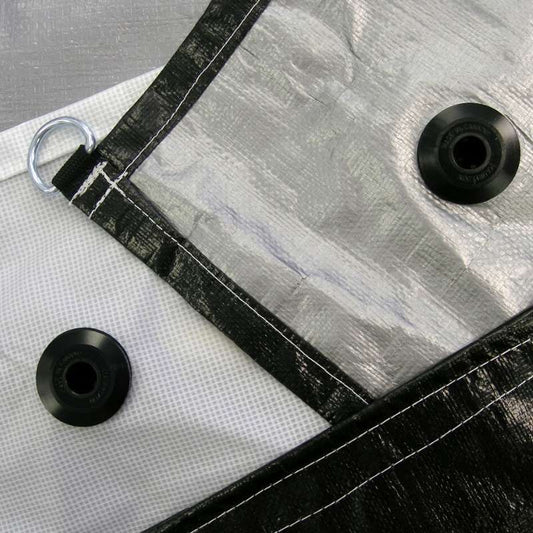
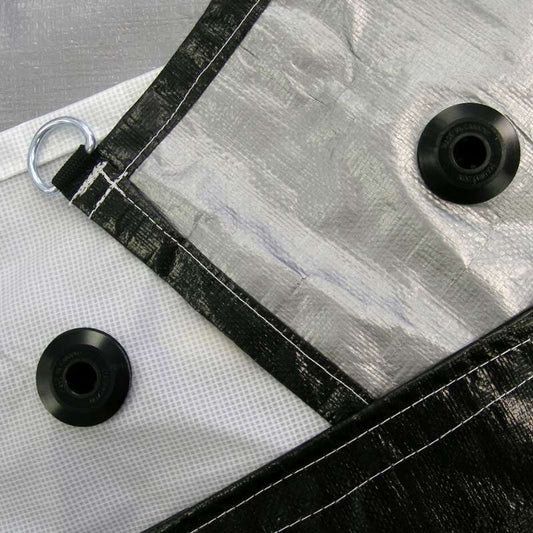
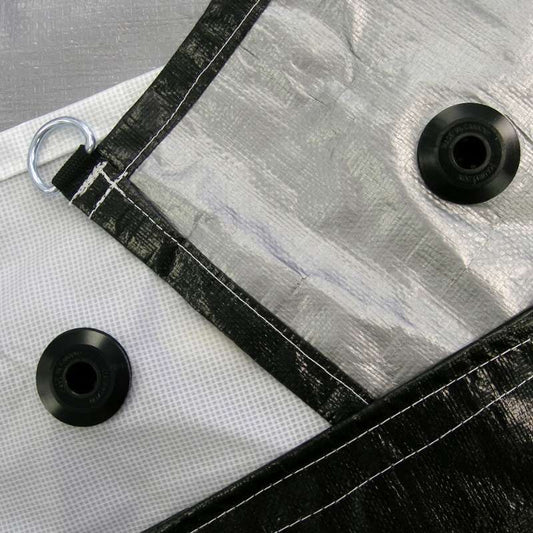
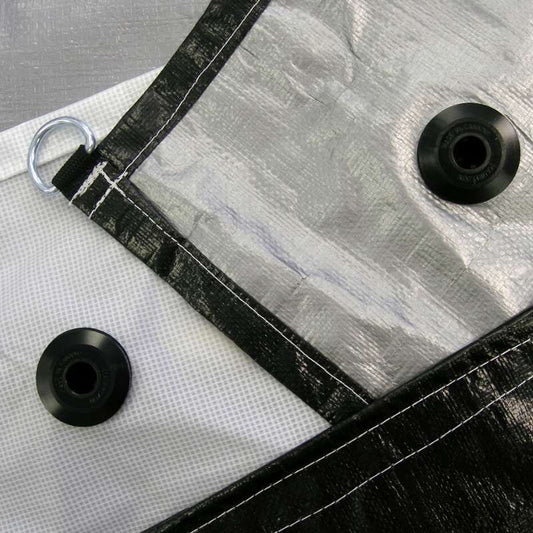
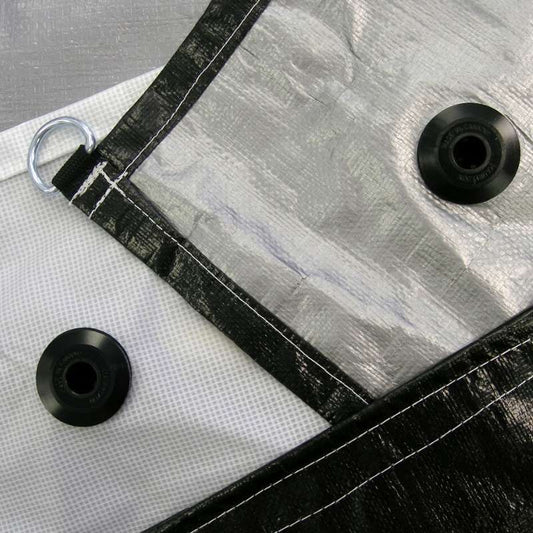
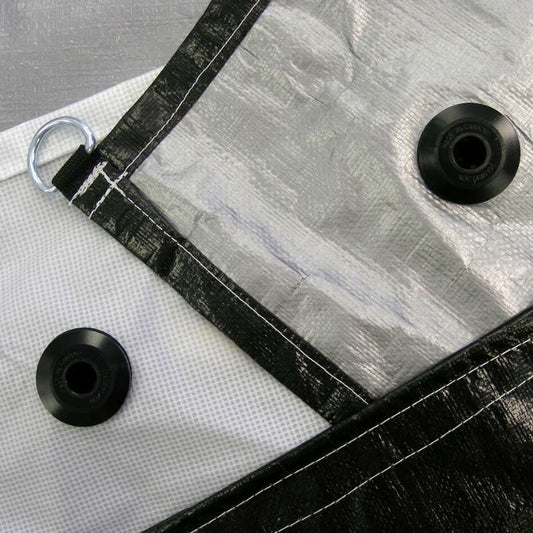
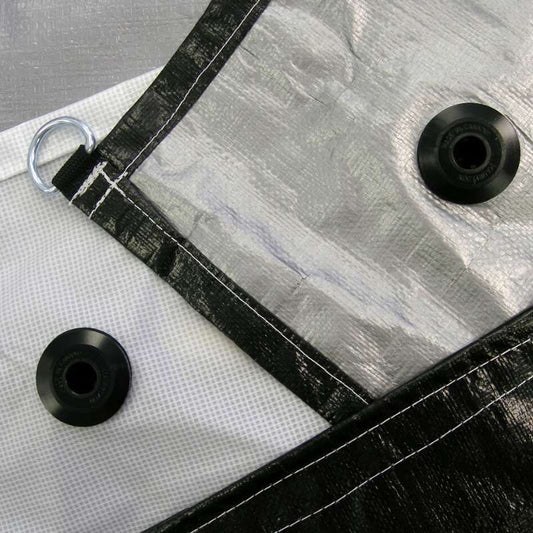
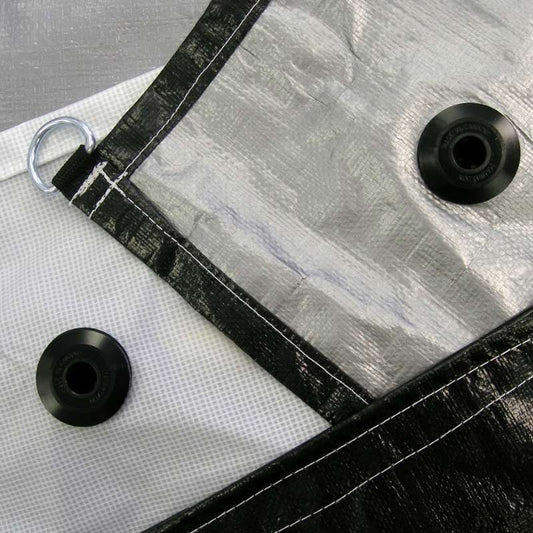
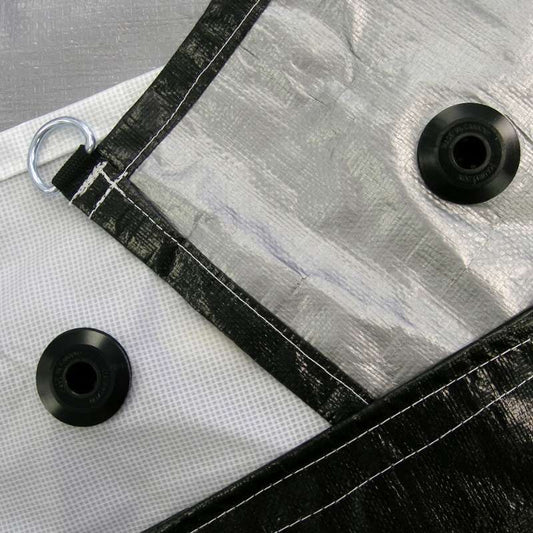
Our large selection of tarps can be used as Construction Debris Tarps, Construction Fence Tarps, Scaffold Debris Netting, Safety Netting, Noise Reduction Materials, Concrete Blankets, Temporary Building Enclosure Tarps, Lifting Tarps, Snow Tarps, and for Safety Snow Fencing. However if you need grommet reinforcements or webbing to meet that extra heavy-duty application, we also offer Custom Tarps designed to meet your exact specifications. For questions or to place an order, please don't hesitate to get in touch with us.
Shop All Construction Tarps

Ask our tarp expert Handyman Joe.

Tarp Supply makes custom tarps out of many different materials. Check out our Custom Tarps page for more information.
learn more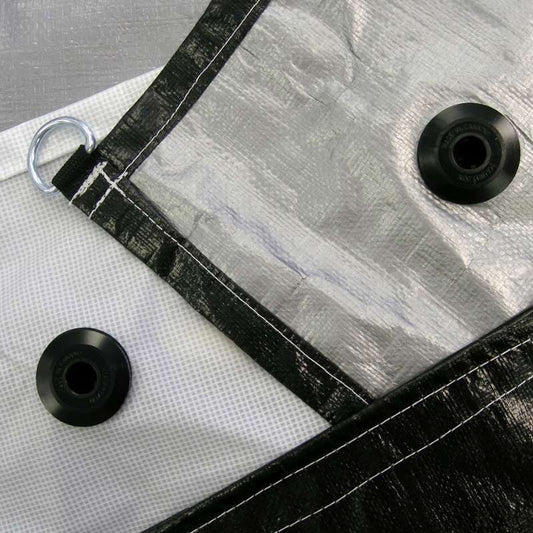
Ask our tarp expert Handyman Joe.
Tarp Supply makes custom tarps out of many different materials. Check out our Custom Tarps page for more information.
learn more