The best tarps for summer roofing projects are heavy-duty poly tarps, waterproof canvas tarps, and UV-resistant reinforced tarps designed to withstand intense sunlight, sudden summer storms, and prolonged outdoor exposure. Choosing the right tarp helps protect roofing materials, reduce weather-related delays, improve job site safety, and prevent costly property damage during roof repairs or replacements.
Best Tarps for Summer Roofing Projects
Summer is one of the busiest seasons for roofing repairs, inspections, replacements, and new construction. While warm weather creates favorable working conditions, roofing professionals must also contend with intense UV radiation, high temperatures, sudden thunderstorms, and unexpected wind events.
Selecting the best tarps for summer roofing projects is critical for protecting roofing materials, safeguarding structures from water intrusion, and maintaining project timelines. Whether you’re a contractor managing multiple job sites or a property owner planning a roof replacement, understanding tarp materials and performance characteristics can help you make a smarter investment.
The best tarps for summer roofing projects are UV-resistant poly tarps, heavy-duty waterproof tarps, and reinforced canvas tarps. These tarps protect exposed roofs from rain, sunlight, debris, and wind while helping contractors maintain productivity and prevent costly weather-related damage during roofing work.
Why Roofing Projects Need Tarps During Summer

Many people associate tarps with emergency roof repairs, but they play a much larger role in successful summer roofing operations.
Roofing tarps help:
· Protect exposed decking from sudden rainstorms
· Shield roofing materials from UV degradation
· Prevent debris from entering buildings
· Keep work areas cleaner and safer
· Reduce project delays caused by weather
· Protect landscaping during tear-offs
· Cover tools and materials during off-hours
Summer weather can change rapidly. A roof left exposed for even a few hours during an unexpected storm can suffer significant moisture damage, leading to mold growth, structural issues, and costly repairs.
Key Features to Look for in Roofing Tarps
Not all tarps are suitable for roofing applications. Roofing projects place unique demands on tarp materials due to elevated temperatures and extended sun exposure.
UV Resistance
Summer sunlight can rapidly degrade low-quality tarps.
Look for:
· UV-treated polyethylene
· UV-stabilized coatings
· Long-term outdoor durability ratings
High-quality UV-resistant tarps maintain flexibility and strength even after weeks of direct sunlight.
Waterproof Protection
Roofing work often leaves portions of the structure exposed.
Choose tarps that offer:
· 100% waterproof construction
· Heat-sealed seams
· Waterproof coatings
· Mildew resistance
Waterproof tarps prevent leaks during unexpected storms and overnight exposure.
Reinforced Edges and Grommets
Roofing projects often require secure fastening.
Strong tarps should include:
· Rust-resistant grommets
· Reinforced hems
· Rope-reinforced borders
· Tear-resistant construction
These features help prevent failures during windy conditions.
Heavy-Duty Material Weight
Lightweight tarps may be suitable for temporary coverage but often fail under roofing job demands.
Recommended weights:
· 10–12 mil for short-term roofing work
· 12–16 mil for extended projects
· 18+ mil for commercial applications
Comparison of the Best Tarp Types for Roofing Projects
|
Tarp Type |
Waterproof |
UV Resistant |
Durability |
Best Use |
|
Heavy-Duty Poly Tarp |
Excellent |
Excellent |
High |
General roofing projects |
|
Canvas Tarp |
Water-Resistant |
Good |
High |
Material protection |
|
Vinyl Tarp |
Excellent |
Excellent |
Very High |
Commercial roofing |
|
Silver/Black Poly Tarp |
Excellent |
Excellent |
High |
Long-term roof coverage |
|
Mesh Tarp |
No |
Excellent |
Moderate |
Debris containment |
Best Tarps for Summer Roofing Projects by Application
Heavy-Duty Poly Tarps
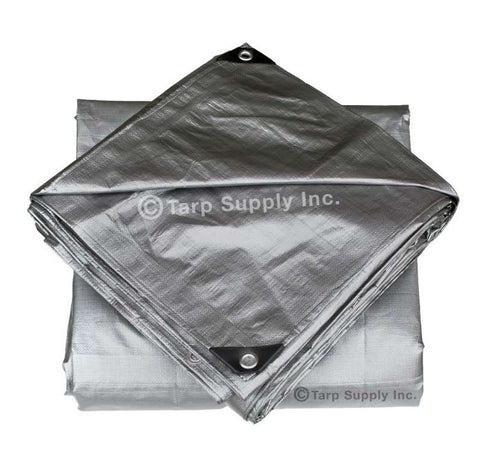
Heavy-duty poly tarps remain the most popular choice among roofing contractors.
Advantages:
· Affordable
· Waterproof
· UV resistant
· Lightweight
· Easy to deploy
These tarps work well for temporary roof protection, emergency repairs, and residential roofing projects.
Ideal Uses
· Roof replacements
· Leak prevention
· Storm damage response
· Temporary weather protection
Silver/Black UV-Resistant Tarps
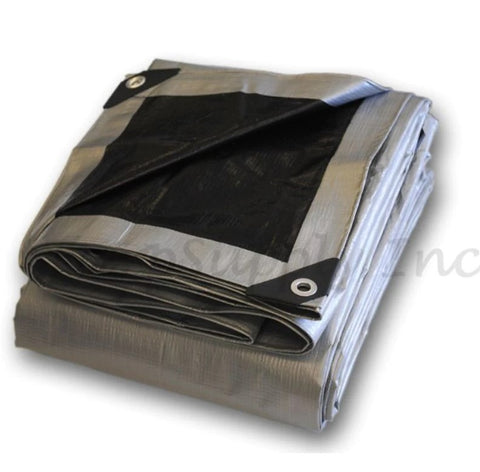
Silver/black tarps offer superior heat reflection compared to traditional blue tarps.
Benefits include:
· Reduced heat buildup
· Improved UV protection
· Longer service life
· Better performance during extended exposure
The reflective silver side helps lower surface temperatures, making it particularly useful during hot summer months.
Vinyl Roofing Tarps

Vinyl tarps provide premium protection for demanding applications.
Advantages:
· Exceptional tear resistance
· Superior waterproofing
· Chemical resistance
· Long-term durability
Although more expensive, vinyl tarps often deliver lower total ownership costs because they last significantly longer.
Recommended For
· Commercial roofing
· Industrial projects
· Multi-week roof replacements
· High-wind environments
Canvas Tarps for Material Protection

Canvas tarps are often overlooked in roofing operations.
Unlike fully waterproof tarps, breathable canvas allows moisture vapor to escape.
This helps protect:
· Shingles
· Lumber
· Roofing underlayment
· Tools and equipment
Canvas is particularly useful when storing materials on-site for several days.
Unique Summer Roofing Tarp Strategies Most Contractors Overlook
Many roofing guides focus solely on waterproof coverage. However, experienced contractors often use tarps strategically to improve project efficiency.
Create Dedicated Material Zones
Use separate tarps for:
· New roofing materials
· Tear-off debris
· Equipment storage
This improves organization and minimizes contamination.
Reduce Heat Damage to Materials
Dark-colored roofing materials can reach extremely high temperatures in direct sunlight.
Using reflective tarps can:
· Lower material temperatures
· Reduce handling risks
· Improve worker comfort
Protect Landscaping During Tear-Offs
Large tarps placed around the home’s perimeter can catch:
· Nails
· Shingles
· Flashing debris
· Wood fragments
This reduces cleanup time and protects customer property.
Use Layered Protection
Professional contractors often combine:
· Waterproof roof tarps
· Canvas material covers
· Mesh debris containment systems
This layered approach provides comprehensive site protection.
How to Properly Secure Roofing Tarps
Even the best tarp can fail if installed incorrectly.
Follow these best practices:
1. Use reinforced anchor points.
2. Avoid excessive tension.
3. Secure all corners first.
4. Utilize sandbags or lumber when appropriate.
5. Inspect fasteners daily.
6. Remove standing water immediately.
7. Replace damaged tie-downs promptly.
Proper installation significantly extends tarp lifespan and improves safety.
Why Quality Matters More Than Price
Low-cost tarps may appear economical, but frequent replacement often increases overall project expenses.
Premium roofing tarps offer:
· Longer service life
· Better UV resistance
· Improved waterproofing
· Reduced labor costs
· Fewer project interruptions
For roofing contractors, investing in quality tarps can directly impact profitability and customer satisfaction.
Choosing the Best Tarps for Summer Roofing Projects
When selecting the Best Tarps for Summer Roofing Projects, consider:
· Project duration
· Weather exposure
· Roof size
· Material storage needs
· Budget requirements
· UV resistance ratings
· Waterproof performance
For most residential roofing jobs, heavy-duty UV-treated poly tarps provide the best balance of performance and value. Commercial contractors often benefit from premium vinyl tarps for maximum durability.
Ultimately, the Best Tarps for Summer Roofing Projects are those that combine weather protection, UV resistance, strength, and reliability to keep roofing projects on schedule throughout the hottest months of the year.
Protect Every Roofing Project with Tarp Supply Inc.®
Whether you’re handling emergency roof repairs, full roof replacements, or commercial roofing installations, Tarp Supply Inc.® offers durable tarp solutions engineered for demanding summer conditions.
Shop Roofing Tarps Built for Performance
✔ Heavy-Duty Poly Tarps
✔ UV-Resistant Silver/Black Tarps
✔ Commercial-Grade Vinyl Tarps
✔ Waterproof Roofing Covers
✔ Multiple Sizes Ready to Ship
Don’t let summer weather delay your roofing project. Explore premium tarp solutions from Tarp Supply Inc.® and keep every job site protected, productive, and prepared for whatever the season brings.
FAQ: Best Tarps for Summer Roofing Projects
What is the best tarp material for roofing projects?
Heavy-duty UV-resistant polyethylene tarps are generally the best option because they combine waterproof protection, durability, and affordability.
Are blue tarps good for roofing?
Standard blue tarps can work for short-term emergency coverage but are usually less durable than heavy-duty reinforced roofing tarps.
How long can a roofing tarp stay exposed to sunlight?
High-quality UV-treated tarps can remain effective for weeks or months, depending on environmental conditions and material quality.
Are canvas tarps waterproof?
Canvas tarps are typically water-resistant rather than fully waterproof, making them better suited for material protection than roof coverage.
What tarp thickness is recommended for roofing?
Most roofing professionals recommend tarps between 12 and 16 mil thickness for reliable summer weather protection.


