The best tarps for cold-weather concrete curing are insulated tarps, heavy-duty poly tarps (10–20 mil), and fire-retardant vinyl tarps that retain heat, block wind, and resist moisture intrusion. For optimal results, combine tarps with insulated blankets and secure them tightly to prevent heat loss and surface cracking.
The best tarps for cold-weather concrete curing are heavy-duty polyethylene, insulated, or vinyl tarps designed to retain heat and block wind and moisture. They help maintain proper hydration and prevent freezing during curing, ensuring structural strength, surface durability, and compliance with cold-weather concreting standards.
Why Choosing the Right Tarp Matters in Cold-Weather Concrete Curing
Cold-weather concrete curing presents serious risks. When ambient temperatures fall below 40°F (4°C), hydration slows. Below 32°F (0°C), water in the mix can freeze, causing:
-
Surface scaling
-
Reduced compressive strength
-
Delayed setting times
-
Internal micro-cracking
-
Long-term structural weakness
Industry guidance from organizations like the American Concrete Institute emphasizes maintaining concrete temperatures above 50°F (10°C) during the early curing phase to ensure proper strength development.
Tarps are not just covers—they are thermal management tools. The right tarp reduces heat loss, shields against wind chill, and protects against precipitation while allowing controlled curing conditions.
Key Performance Factors When Selecting Cold-Weather Curing Tarps

1. Thermal Insulation Capacity
Tarps used in winter curing must reduce heat transfer. Insulated tarps with foam cores or quilted liners offer significantly better performance than standard poly covers.
What to Look For:
-
Multi-layer construction
-
Reinforced edges to minimize air gaps
-
Compatibility with insulated curing blankets
Most guides recommend “heavy-duty tarps,” but rarely quantify performance. Insulated tarps can reduce heat loss by up to 50–70% compared to single-layer polyethylene in sub-freezing conditions when properly sealed.
2. Thickness (Mil Rating) & Durability
Tarps range from 5 mil (light-duty) to 20+ mil (heavy-duty).
|
Mil Thickness |
Recommended Use in Cold Weather |
|
5–8 mil |
Not recommended for curing |
|
10–12 mil |
Temporary protection from a mild cold |
|
14–16 mil |
Standard winter curing projects |
|
18–20+ mil |
Extreme cold or long-duration projects |
Thicker tarps:
-
Reduce puncture risk
-
Improve wind resistance
-
Provide better thermal retention
3. Moisture Resistance
Concrete curing requires moisture retention—not water saturation.
The ideal tarp:
-
Is waterproof from external precipitation
-
Prevents snow and ice infiltration
-
Does not wick moisture away from the slab
Polyethylene tarps excel here because they are fully waterproof and chemically inert.
4. Wind Resistance & Securement
Wind chill can dramatically reduce slab temperature.
Best practices:
-
Use reinforced grommets spaced 18–24 inches apart
-
Add sandbags or ballast at the edges
-
Seal edges to prevent cold air infiltration
Advanced Tip:
Create a “thermal tent” by elevating tarps over the slab using temporary framing. This traps heat more effectively than direct-contact coverage in extremely cold climates.
Best Types of Tarps for Cold-Weather Concrete Curing
1. Insulated Tarps (Best Overall Performance)
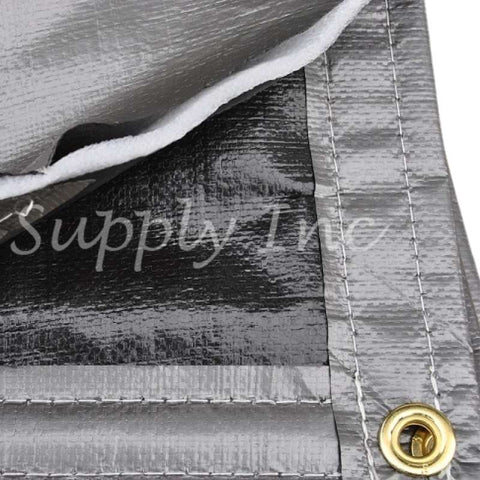
Ideal for: Sub-freezing temperatures, large slabs, structural pours.
Features:
-
Foam-core or quilted insulation
-
Reinforced hems
-
High tear strength
Benefits:
-
Maintains internal slab temperature
-
Reduces need for supplemental heating
-
Protects against overnight temperature drops
Best for commercial contractors or infrastructure projects.
2. Heavy-Duty Poly Tarps (Cost-Effective Solution)

Ideal for: Residential slabs, driveways, and sidewalks.
Features:
-
10–20 mil thickness
-
Waterproof coating
-
UV-resistant outer layer
Benefits:
-
Affordable
-
Lightweight and easy to deploy
-
Reliable wind and precipitation protection
For moderate winter conditions, heavy-duty poly tarps offer excellent performance when layered over curing blankets.
3. Vinyl Tarps (Industrial-Grade Protection)

Ideal for: Harsh environments, repeated reuse.
Features:
-
PVC-coated polyester
-
High tensile strength
-
Abrasion resistance
Benefits:
-
Long lifespan
-
Resistant to chemicals and construction debris
-
Superior tear resistance
Vinyl tarps are often preferred for bridge decks, industrial flooring, and infrastructure pours.
Comparison Table: Best Tarps for Cold-Weather Concrete Curing
|
Feature |
Insulated Tarps |
Heavy-Duty Poly |
Vinyl Tarps |
|
Thermal Retention |
Excellent |
Moderate |
Moderate |
|
Waterproof |
Yes |
Yes |
Yes |
|
Wind Resistance |
High |
Moderate |
High |
|
Reusability |
High |
Moderate |
Very High |
|
Cost |
High |
Low–Moderate |
Moderate–High |
|
Best Use |
Extreme cold |
Residential winter pours |
Industrial projects |
Advanced Winter Curing Strategy (Beyond Basic Tarping)

Most online guides stop at “cover the concrete.” Here’s what experienced contractors do differently:
1. Monitor Internal Slab Temperature
Use embedded temperature sensors or infrared thermometers to:
-
Maintain slab temperature above 50°F
-
Prevent rapid cooling during the first 48 hours
2. Layering Strategy
Optimal setup:
-
Curing blanket directly on the slab
-
Insulated tarp over blanket
-
Secure edges tightly
This layered approach minimizes thermal bridging.
3. Heated Enclosures (Extreme Cold)
For temperatures below 20°F:
-
Use temporary framed enclosures
-
Add indirect-fired heaters
-
Maintain airflow to prevent CO buildup
Tarps act as enclosure walls, not just surface covers.
Common Mistakes to Avoid
-
Using lightweight blue tarps (insufficient insulation)
-
Allowing wind to lift edges
-
Removing protection too early
-
Ignoring overnight temperature drops
Concrete strength gain in cold weather is slower—removing tarps prematurely can compromise long-term durability.
How Long Should Concrete Stay Covered in Cold Weather?
General guideline:
-
Maintain protection for at least 3–7 days, depending on mix design and temperature.
-
High-performance mixes may require shorter durations, but freezing must be avoided during early hydration.
Always consult structural specifications for load-bearing projects.
Why Buy from Tarp Supply Inc.®
When curing concrete in cold weather, performance and reliability matter.
Tarp Supply Inc.® offers:
-
Heavy-duty poly tarps (10–20 mil)
-
Industrial-grade vinyl tarps
-
Custom sizing options
-
Reinforced grommets for secure installation
-
Bulk contractor pricing
Whether you're managing residential pours or large-scale commercial projects, choosing the right tarp protects both your schedule and structural integrity.
Shop premium cold-weather tarps today at Tarp Supply Inc.® and prevent costly winter curing failures.
FAQ: Cold-Weather Concrete Curing Tarps
1. What is the best tarp for curing concrete in freezing temperatures?
Insulated tarps are the best option because they retain heat and prevent slab temperatures from dropping below freezing.
2. Can I use a standard blue tarp for winter concrete curing?
No, standard lightweight tarps lack sufficient insulation and wind resistance for freezing conditions.
3. How long should concrete be covered in cold weather?
Concrete should remain covered for at least 3–7 days or until it reaches adequate early strength without risk of freezing.
4. Do tarps replace curing blankets?
No, tarps work best when layered over curing blankets to enhance thermal retention and weather protection.
5. What temperature is too cold to pour concrete?
Concrete placement becomes risky below 40°F unless proper heating and protection measures are implemented.


