Industrial equipment covers made from high-performance tarps protect machinery from weather, dust, UV exposure, and corrosion—significantly reducing maintenance costs, downtime, and asset depreciation. Choosing the right material, thickness, and installation method ensures long-term savings and improved operational efficiency across industries.
Industrial equipment covers are protective tarp systems designed to shield machinery from environmental damage, reducing maintenance frequency, repair costs, and equipment downtime. By preventing rust, contamination, and wear, these covers extend asset lifespan and improve operational efficiency in industrial settings.
Why Industrial Equipment Covers Are a Smart Investment

Industrial environments expose valuable machinery to harsh conditions—rain, UV radiation, dust, chemicals, and temperature fluctuations. Without protection, equipment degrades faster, increasing repair frequency and operational interruptions.
Industrial equipment covers act as a first line of defense, offering:
-
Physical protection from debris and contaminants
-
Moisture resistance to prevent corrosion
-
UV shielding to reduce material degradation
-
Temperature moderation for sensitive components
Cost-Saving Impact at a Glance
|
Risk Without Covers |
Cost Impact |
Tarp Solution Benefit |
|
Rust and corrosion |
High repair/replacement |
Waterproof barrier |
|
Dust contamination |
Reduced performance |
Sealed protection |
|
UV degradation |
Material cracking/fading |
UV-resistant coatings |
|
Downtime |
Lost productivity |
Equipment readiness |
How Industrial Equipment Covers Reduce Maintenance Costs

1. Preventive Protection Against Environmental Damage
Moisture is one of the most damaging elements for industrial machinery. Tarps with waterproof coatings prevent water infiltration, significantly lowering the risk of:
-
Rust formation on metal components
-
Electrical failures
-
Mold growth in sensitive systems
Insight: Even minimal exposure to moisture can reduce machinery lifespan by up to 30% over time—making preventive covering a high-ROI strategy.
2. Minimizing Cleaning and Servicing Frequency
Dust, dirt, and airborne particles accumulate quickly in industrial zones. Without covers, machinery requires frequent cleaning, which leads to:
-
Increased labor costs
-
Higher use of cleaning chemicals
-
Accelerated wear due to repeated handling
Industrial tarp covers reduce contamination exposure, allowing businesses to extend cleaning intervals without compromising performance.
3. Reducing Equipment Downtime
Unexpected breakdowns often stem from prolonged exposure to harsh conditions. Covers help maintain equipment in a ready-to-use condition.
Key Benefits:
-
Faster startup times
-
Fewer emergency repairs
-
Improved operational continuity
Facilities using structured covering systems report up to 20–40% reduction in unplanned downtime compared to uncovered environments.
4. Extending Equipment Lifespan
Industrial machinery represents a significant capital investment. Extending its usable life directly improves ROI.
Tarps help by:
-
Preventing material fatigue from UV exposure
-
Reducing thermal expansion and contraction cycles
-
Protecting seals and joints from cracking
Types of Tarps Used for Industrial Equipment Covers
Choosing the right tarp material is critical for performance and cost efficiency.
Polyethylene (Poly) Tarps
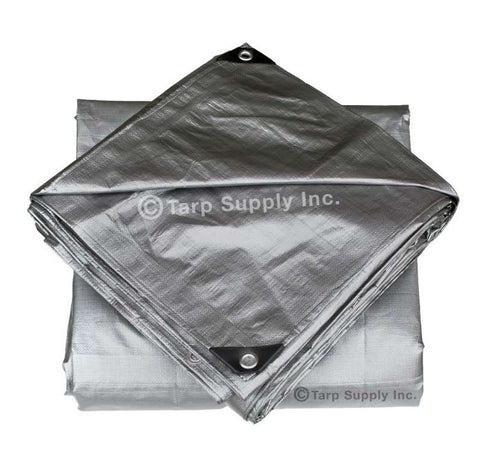
-
Lightweight and cost-effective
-
Waterproof and UV-resistant
-
Ideal for short- to medium-term use
Vinyl Tarps

-
Heavy-duty and highly durable
-
Resistant to chemicals, abrasion, and tearing
-
Best for long-term industrial applications
Canvas Tarps

-
Breathable and reduces condensation
-
Suitable for moisture-sensitive equipment
-
Less effective in heavy rain environments
Specialty Tarps

-
Insulated or temperature-resistant
-
Anti-static for electronic equipment
Key Features to Look for in Industrial Equipment Covers

Material Strength and Thickness
Measured in mils or GSM, thicker tarps offer better durability and resistance to tearing.
UV Resistance
Essential for outdoor equipment exposed to prolonged sunlight.
Waterproofing Level
Look for heat-sealed seams and laminated coatings for maximum protection.
Reinforced Edges and Grommets
Ensure secure fastening and resistance to wind damage.
Custom Fit Options
Custom-sized covers reduce exposure gaps and improve protection efficiency.
Best Practices for Using Industrial Equipment Covers

Proper Installation
-
Ensure full coverage with minimal gaps
-
Secure tightly using ropes, bungees, or tie-downs
-
Avoid water pooling by maintaining tension
Regular Inspection
-
Check for tears or weakened areas
-
Replace damaged covers promptly
Cleaning and Maintenance
-
Remove debris buildup
-
Clean periodically to maintain performance
Industry Applications of Industrial Equipment Covers
Industrial equipment covers play a critical role in protecting valuable machinery, tools, and materials from environmental damage, operational wear, and long-term deterioration. Designed for durability and weather resistance, industrial tarp covers are widely used across industries where equipment protection directly impacts productivity, maintenance costs, and operational efficiency. From construction sites to agricultural operations, these covers provide a practical solution for extending equipment lifespan and reducing downtime.
Construction
In the construction sector, industrial equipment covers are essential for protecting heavy machinery and expensive tools exposed to harsh outdoor environments. Equipment such as excavators, bulldozers, loaders, cranes, and concrete mixers are frequently left on job sites where they face rain, UV radiation, dust, and fluctuating temperatures.
Industrial tarp covers help prevent moisture buildup that can lead to rust, corrosion, and mechanical failure. By shielding machinery during idle periods, contractors can reduce maintenance expenses and improve equipment reliability. Covers also help protect hydraulic systems, electrical components, operator cabins, and sensitive control panels from environmental exposure.
Manufacturing
Manufacturing facilities rely on industrial equipment covers to maintain clean and efficient production environments. Dust, debris, moisture, and chemical contaminants can negatively affect precision machinery, automated systems, and assembly line equipment.
Industrial tarp covers are commonly used to shield CNC machines, conveyors, fabrication equipment, robotic systems, and storage containers when equipment is not in operation. In facilities where cleanliness is critical, such as electronics manufacturing or food processing, covers help reduce contamination risks and maintain regulatory compliance.
Protective covers also assist during equipment transportation and plant shutdowns. During maintenance periods, covers can prevent dirt accumulation and protect sensitive surfaces from accidental damage. This contributes to longer equipment service life and reduces repair frequency.
Agriculture
Agricultural operations heavily depend on industrial covers to protect machinery and farming systems from constant exposure to outdoor conditions. Tractors, harvesters, seeders, irrigation pumps, hay balers, and sprayers are significant investments that require year-round protection.
Industrial tarp covers help shield agricultural equipment from rain, sunlight, mud, dust, and snow. UV-resistant covers are particularly important because prolonged sun exposure can crack rubber components, fade paint, and weaken plastic materials. Waterproof covers also help prevent rust formation on metal parts and reduce engine deterioration caused by moisture intrusion.
Farmers also use heavy-duty industrial covers for protecting feed supplies, fertilizers, harvested crops, and irrigation infrastructure. In remote agricultural environments where indoor storage may be limited, durable tarp systems provide a cost-effective alternative for safeguarding equipment and supplies.
Logistics and Warehousing
In logistics and warehousing operations, industrial equipment covers are used to protect stored goods, palletized inventory, forklifts, and material handling equipment. Warehouses often experience dust accumulation, humidity fluctuations, and exposure to contaminants that can damage products during long-term storage.
Industrial covers help maintain inventory quality by shielding products from moisture, dirt, and accidental spills. Forklifts, pallet jacks, conveyor systems, and loading dock equipment are also commonly covered during non-operational periods to reduce maintenance requirements and improve equipment longevity.
For outdoor storage yards and shipping facilities, waterproof industrial tarps provide additional protection against rain, wind, and UV exposure. Covers are especially important when storing sensitive goods such as electronics, textiles, machinery parts, and packaged materials awaiting transport.
Why Businesses Invest in Equipment Covers
Estimated Savings Breakdown
|
Category |
Without Covers |
With Covers |
|
Annual Maintenance |
High |
Reduced by 25–40% |
|
Equipment Lifespan |
Standard |
Extended by 20–30% |
|
Downtime Costs |
Frequent |
Significantly lower |
|
Cleaning Expenses |
Recurring |
Reduced |
The upfront cost of industrial tarps is typically recovered within 3–6 months through reduced maintenance and downtime.
Common Mistakes to Avoid
-
Choosing low-quality tarps for heavy-duty applications
-
Ignoring proper sizing and fit
-
Failing to secure covers properly in windy conditions
-
Not replacing worn-out covers
Why Choose Tarp Supply Inc.® for Industrial Equipment Covers
When it comes to protecting valuable machinery, quality matters. Tarp Supply Inc.® offers industry-grade tarp solutions designed for durability, performance, and cost efficiency.
Key Advantages:
-
Wide range of heavy-duty tarp materials
-
Custom sizing options for a precise fit
-
UV-resistant and waterproof designs
-
Trusted by professionals across industries
Protect Your Equipment Today
Reducing maintenance costs starts with proactive protection. Investing in high-quality Industrial equipment covers is one of the simplest and most effective ways to safeguard your assets.
Contact Tarp Supply Inc.® today for expert guidance and product recommendations
Shop online via the official Amazon store for fast and convenient ordering
By implementing the right tarp solutions, businesses not only cut costs—but also improve reliability, safety, and long-term operational performance.
FAQ Section
1. What are industrial equipment covers used for?
Industrial equipment covers protect machinery from environmental damage, reducing maintenance costs and extending equipment lifespan.
2. How do tarps reduce maintenance costs?
Tarps prevent exposure to moisture, dust, and UV rays, minimizing the need for repairs, cleaning, and equipment wear.
3. What is the best material for industrial tarp covers?
Vinyl tarps are the best for durability and long-term industrial use, while polyethylene tarps offer cost-effective short-term protection.
4. How long do industrial tarps last?
High-quality industrial tarps can last 3–10 years depending on material, usage conditions, and maintenance.
5. Are custom tarp covers worth it?
Yes, custom tarp covers provide better protection by ensuring a precise fit, reducing exposure, and increasing efficiency.


